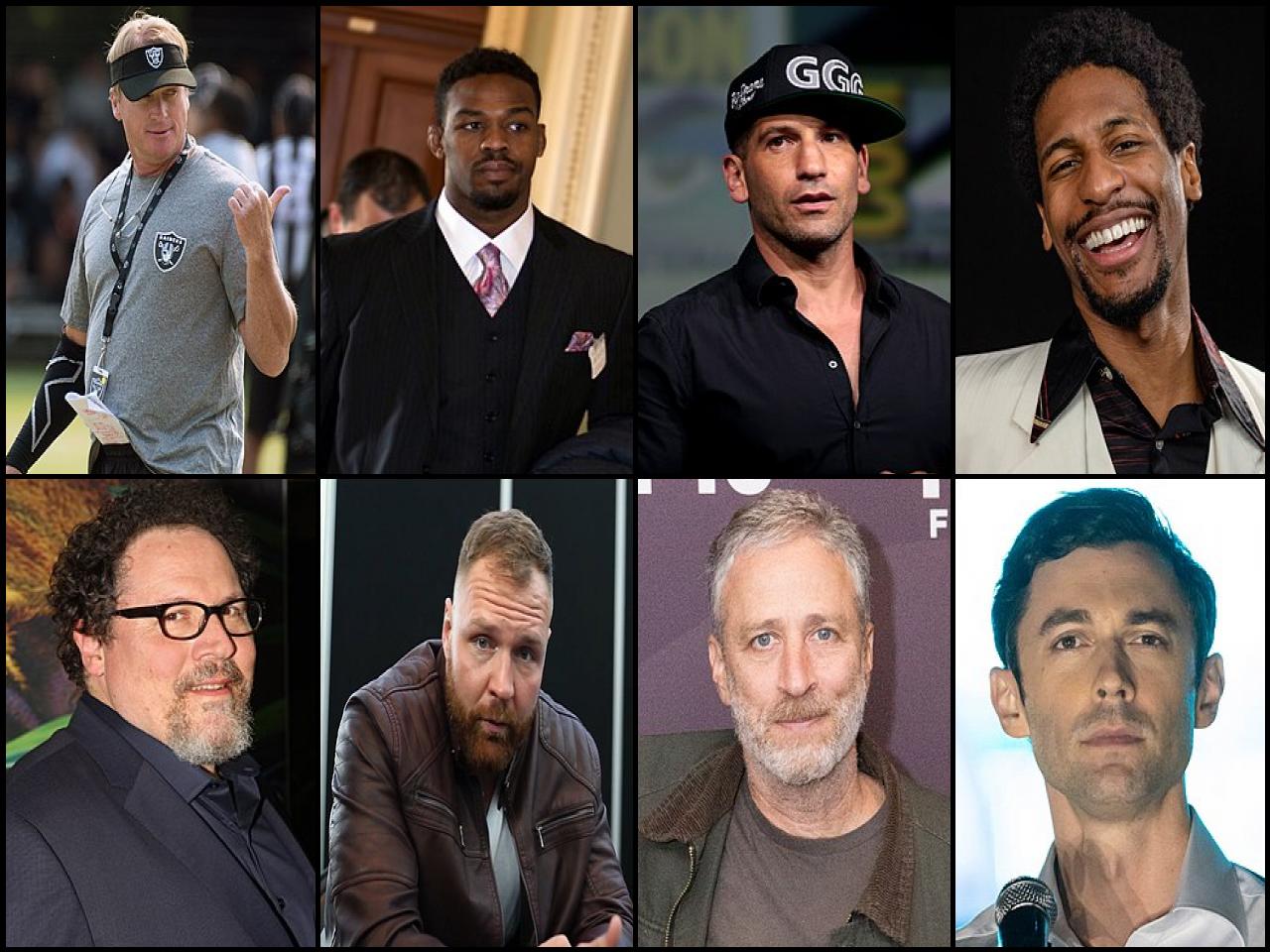
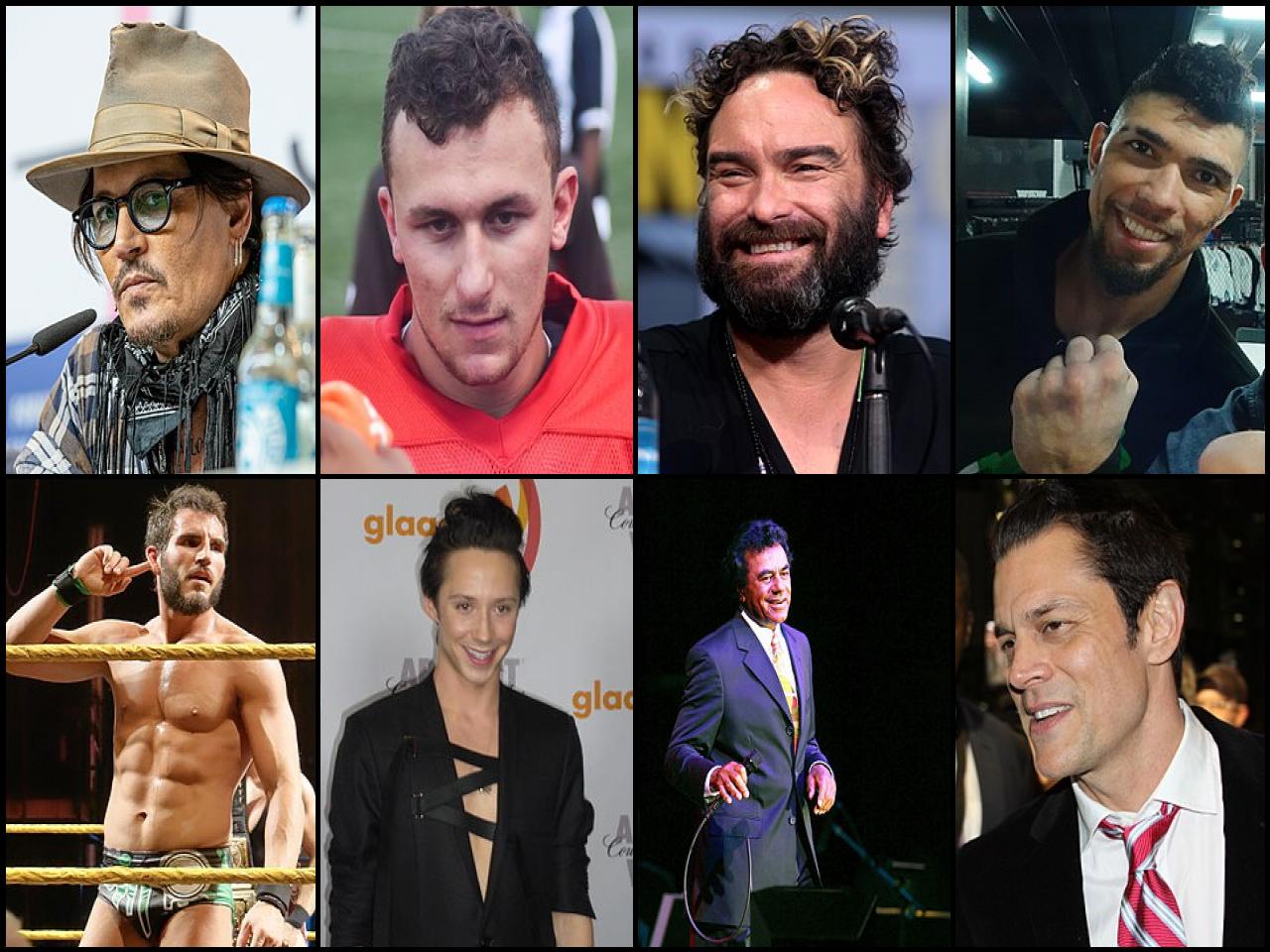
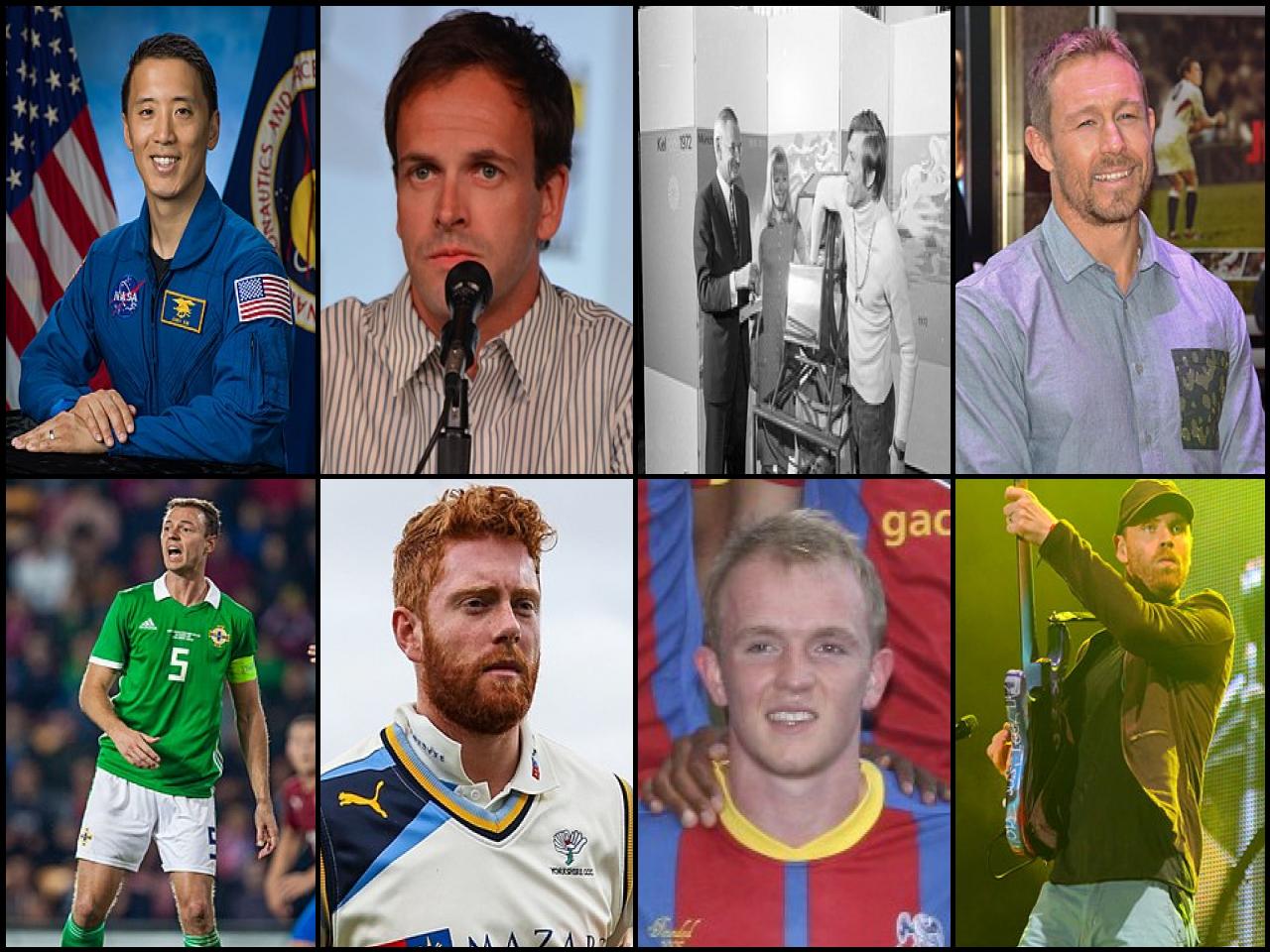
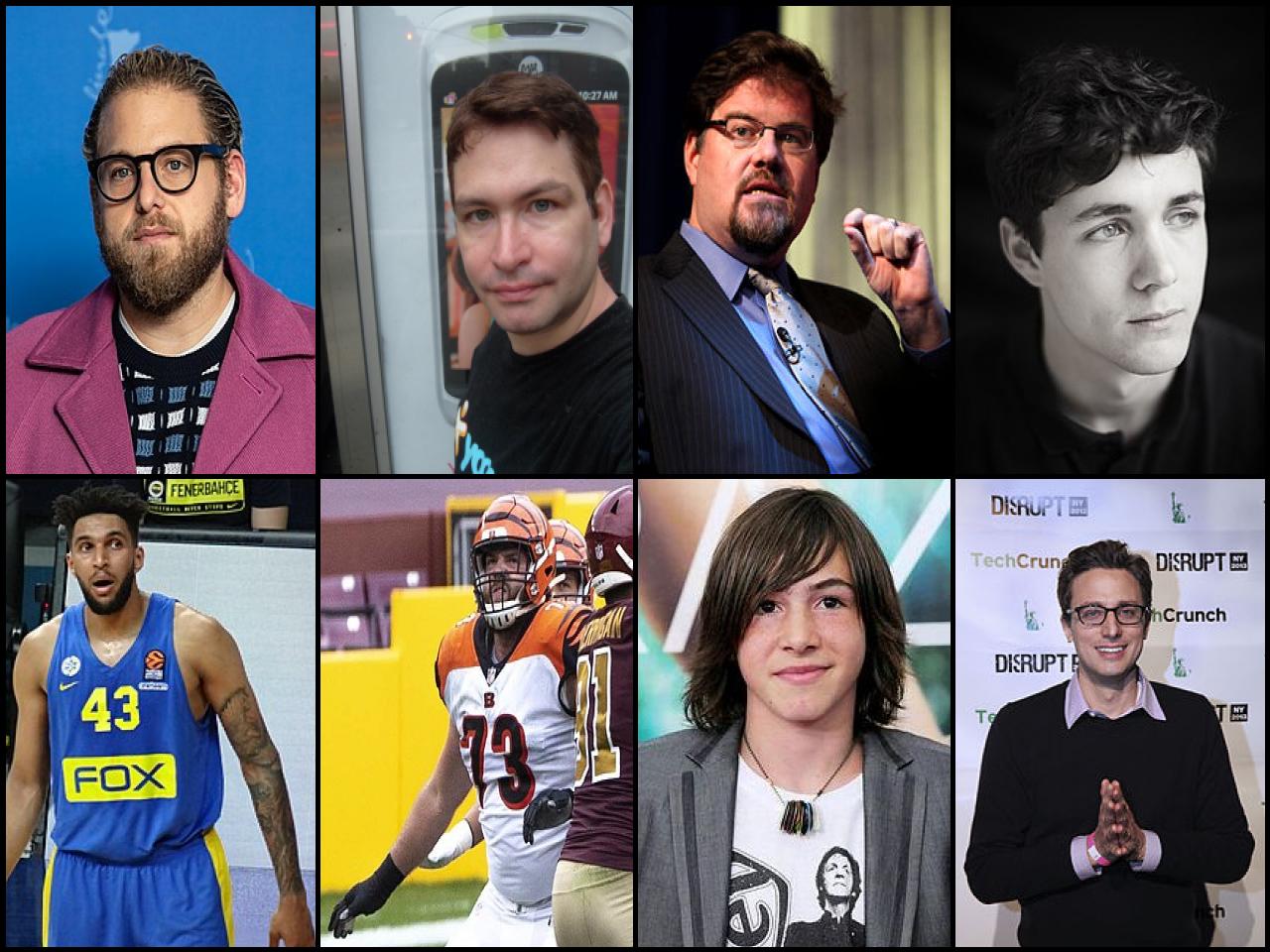
List of Famous people named John
John Zegrus
John Allen Kuchar Zegrus is the reported name of a real person detained in 1960 in Japan for alleged document fabrication. He was dubbed as the "Mystery Man" by Japanese news at the time, and became a prototype for some urban legends.
John Morrison
John Randall Hennigan is an American professional wrestler, traceur, actor, and filmmaker. He is signed to WWE, where he performs on the Raw brand under the ring name John Morrison.
John A. Gotti
John Angelo "Junior" Gotti is an American former mobster who was acting boss of the Gambino crime family from 1992 to 1999 after his father, John J. Gotti, was sent to prison. Junior himself was imprisoned for racketeering in 1999. Between 2004 and 2009, Gotti was a defendant in four racketeering trials which all ended in mistrials. In January 2010, federal prosecutors announced that they would no longer seek to prosecute Gotti for those charges. He has been referred to as "Teflon Jr." for evading conviction like his father.
John Bennett Ramsey
John Bennett Ramsey is an American businessman, author, and father of JonBenét Ramsey, who was murdered in her Boulder, Colorado home on December 25, 1996. He discovered six-year-old JonBenét's body in the cellar of the home just hours after her murder.
John Witherspoon
John Weatherspoon, better known as John Witherspoon, was an American actor and comedian who performed in various television shows and films.
John Huston
John Marcellus Huston was an American film director, screenwriter, actor, and visual artist. He travelled widely, settling at various times in France, Mexico, and Ireland. Huston was a citizen of the United States by birth but renounced U.S. citizenship to become an Irish citizen and resident in 1964. He later returned to the United States, where he lived the rest of his life. He wrote the screenplays for most of the 37 feature films he directed, many of which are today considered classics: The Maltese Falcon (1941), The Treasure of the Sierra Madre (1948), The Asphalt Jungle (1950), The African Queen (1951), The Misfits (1961), Fat City (1972), The Man Who Would Be King (1975) and Prizzi's Honor (1985).
John Tyler
John Tyler was the tenth president of the United States, holding office from 1841 to 1845 after briefly serving as the tenth vice president in 1841; he was elected vice president on the 1840 Whig ticket with President William Henry Harrison. Tyler ascended to the presidency after Harrison's death in April 1841, only a month after the start of the new administration. He was a stalwart supporter and advocate of states' rights, and he adopted nationalistic policies as president only when they did not infringe on the powers of the states. His unexpected rise to the presidency posed a threat to the presidential ambitions of Henry Clay and other politicians, and left Tyler estranged from both major political parties.
John Barilaro
Giovanni Domenic "John" Barilaro is an Australian politician who has been the 18th Deputy Premier of New South Wales and the New South Wales Leader of The Nationals since November 2016. He has been the Minister for Regional New South Wales, Industry and Trade in the second Berejiklian ministry since April 2019, and a member of the New South Wales Legislative Assembly representing the electoral district of Monaro since 2011.
John Magaro
John Robert Magaro is an American actor. He starred in Not Fade Away (2012). He also had roles in The Big Short, Carol (2015) and the Netflix series Orange Is the New Black and The Umbrella Academy. He made his Broadway debut as Earl Williams, the escaped convict, in the hit revival of The Front Page in 2016.
John McWhorter
John Hamilton McWhorter V is an American linguist and associate professor of English and comparative literature at Columbia University, where he teaches linguistics, American studies, philosophy, and music history. He is the author of a number of books on language and on race relations, and his writing has appeared in many prominent magazines. His research specializes on how creole languages form, and how language grammars change as the result of sociohistorical phenomena.